Microbiome research
In-depth profiling of communities. Functional & biological insights. With support.

How it works?
Microbiome profiling
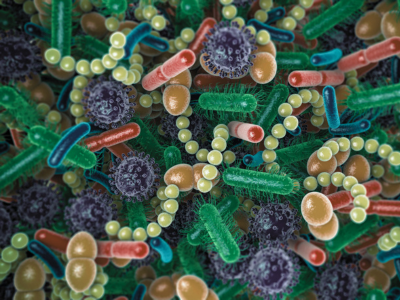
Using long-read sequencing you will obtain the most in-depth insights in the microbial communities. Complete 16S rRNA gene sequencing allows identification of bacteria up to the species level.
Functional insights
Use our state-of-the-art long-read shotgun metagenomics sequencing approaches. This will generate insights into strain virulence, antimicrobial resistance or beneficial gene markers.
Metabolite analysis
PathoSense is developed by veterinary experts in infectious diseases, which aids interpretation of the findings. If needed, we and our partner labs are ready to give you support.
What customers say
"Lorem ipsum dolor sit amet, consectetur adipiscing elit. Duis accumsan velit sit amet sagittis malesuadadfafafads."
"Lorem ipsum dolor sit amet, consectetur adipiscing elit. Duis accumsan velit sit amet sagittis malesuadadfafafads."
"Lorem ipsum dolor sit amet, consectetur adipiscing elit. Duis accumsan velit sit amet sagittis malesuadadfafafads."
"Lorem ipsum dolor sit amet, consectetur adipiscing elit. Duis accumsan velit sit amet sagittis malesuadadfafafads."
Our experts are here to help you
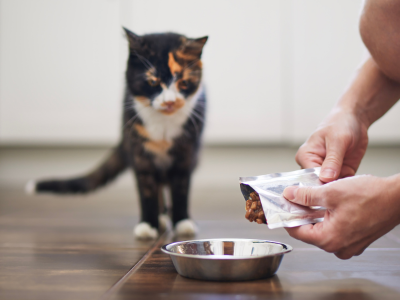
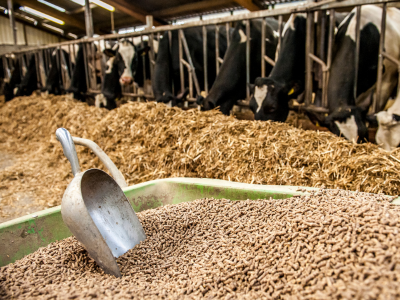
All samples are not equal. Some samples require specific enrichment strategies to get the most data out. PathoSense has ample experience with conventional samples (eg. feces, cecum content...) and low-biomass samples (eg. respiratory mucus, vaginal samples etc). This allows you to explore microbial communities in a variety of sample types.
At PathoSense we use long-read sequencing to analyse the microbiome in the most insightful way. One approach is the amplification of the complete 16S rRNA gene fragment (~1500 bp) so that we can sequence it entirely. This gives advantages for the taxonomical identification with the classification of bacteria up to the species level. Another approach is shotgun metagenomics. Here, DNA is isolated in crude fractions and long strands of bacterial DNA can be used after sequencing to assemble partial and complete bacterial genomes. These assembled metagenomes can be exploited for downstream functional characterisation (see further).
The first insight in the microbial community starts with the members that are there. Using full-length 16S rRNA gene sequencing we can determine bacterial compositions up to genus and species level. Using metagenomic assemblies, we can even go deeper and determine whether specific strains of interest are present in samples.
PathoSense guides you with the statistical analysis of your studies. Alpha diversity will analyse the bacterial diversity within certain samples, whereas beta diversity will compare the microbiome diversity between different treatments. Everything is reported with insightful graphs and explained during a follow-up meeting. To get the most out of your data, we can rely on the most advanced statistical analysis methods tailored to your needs.
When metagenomic assemblies are available, we can dig deeper into the functionality of the microbiome. Pathogenic bacteria harbour virulence markers that can be identified with scientifically validated databases. Furthermore, one might be interested to see whether certain treatments affect the presence of antimicrobial resistance gene markers or if certain beneficial genes are found on the contrary. This is state-of-the-art research and we are happy to take you along in this exciting field.
PathoSense collaborates with the LANUPRO laboratory of Ghent University from prof. Jeroen Degroote. A direct measurement of the microbiome's metabolites can be performed to see which concentrations of short-chain fatty acids, lactic acid and ammonia are found. This information can then be linked further to the presence of certain bacteria in the microbial communities.
Join our free webinar
Back-to-work microbiome refresher webinar
4th Edition!
- 11th of September: 12h30-13h30 CET
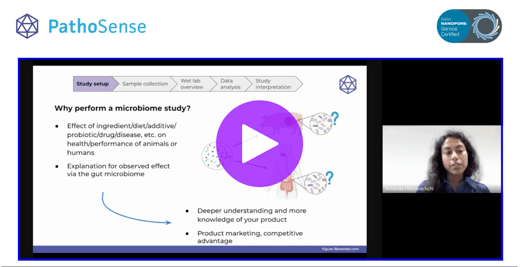
- Discover how microbiome studies are performed. We delve into study design, take you along in the lab process and explain how the data analysis is performed. Over 300 experts in the animal nutrition/health industry have taken the opportunity to join this webinar in previous editions. The perfect way to refresh or build new knowledge after the holiday season.